$84.70
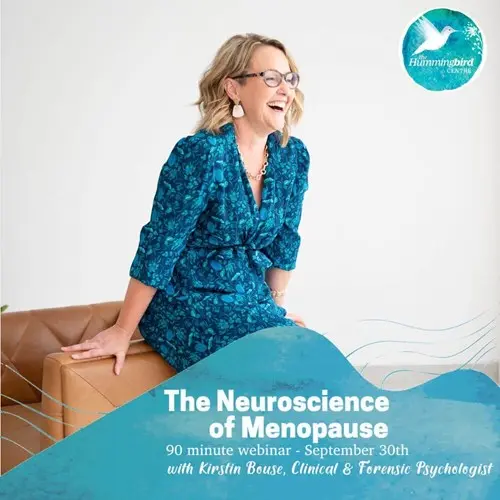
Menopause is a natural biological life stage that marks the end of menstruation and reproductive years. It is officially diagnosed after 12 consecutive months without a menstrual period. In Australia, the average menopause age is between 45 and 55, although experiences vary.
Many women begin noticing changes much earlier during perimenopause, the transitional stage leading up to menopause. Perimenopause age in Australia commonly begins in the early to mid-40s, but early perimenopause symptoms can start as early as 38. Hormonal fluctuations – particularly changes in oestrogen and progesterone – can trigger a range of physical, emotional and cognitive symptoms.
Early signs of menopause in the late 30s may include irregular periods, sleep disturbances, mood changes, anxiety, brain fog, night sweats and subtle shifts in cycle patterns. Understanding these early indicators allows women and health professionals to recognise perimenopause sooner and seek appropriate support.
Early perimenopause symptoms often include:
Irregular or changing menstrual cycles
Hot flushes and night sweats
Sleep disruption
Mood swings, anxiety or low mood
Brain fog and reduced concentration
Fatigue
Joint aches
Changes in libido
Symptoms can begin years before menopause and may fluctuate in intensity. Many women experiencing signs of menopause in their late 30s or early 40s are unaware that hormonal changes may be contributing.
Perimenopause is the hormonal transition phase before menopause. During this stage, oestrogen levels fluctuate unpredictably, and women may experience early menopause symptoms while still having periods.
Menopause is confirmed after 12 consecutive months without menstruation. Postmenopause refers to the years following menopause, when symptoms may stabilise or evolve.
Understanding these stages is essential for accurate assessment and supportive care.
This menopause education course is designed for health professionals, counsellors, therapists, educators and practitioners seeking professional development in women’s health. It is particularly relevant for those supporting clients experiencing perimenopause, early menopause symptoms, or midlife transitions.
The course is also suitable for individuals wanting evidence-based menopause education in Australia.
Despite affecting half the population, menopause education has historically been limited in both medical training and broader health professional development. Many women reporting early perimenopause symptoms are misdiagnosed or dismissed.
Improved menopause training helps practitioners recognise symptoms earlier, reduce stigma and provide informed, evidence-based support.
Hormonal changes during perimenopause and menopause can significantly influence mental well-being. Fluctuating oestrogen levels may affect mood regulation, anxiety, sleep quality and cognitive clarity.
For some women, signs of menopause in their late 30s or early 40s may initially present as increased anxiety, irritability or depressive symptoms. Understanding the mind-body connection improves therapeutic outcomes.
Perimenopause can last between 4 to 10 years before menopause. Symptoms may begin gradually and fluctuate over time. Some menopause symptoms continue into post-menopause, although intensity often decreases.
Every woman’s hormonal transition is unique, making education and personalised support essential.