$60.50
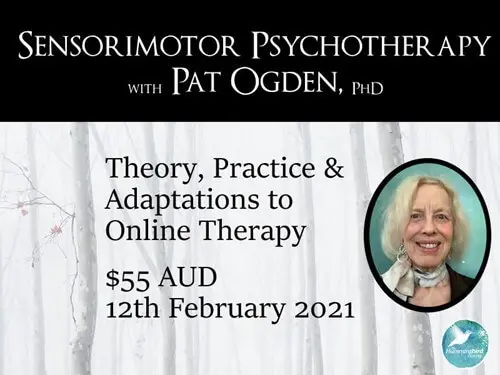
Sensorimotor Psychotherapy is a body-centred, trauma-informed psychotherapy developed by Dr Pat Ogden. It integrates somatic therapy, attachment theory, neuroscience, and mindfulness to help clients process trauma, developmental wounds, and nervous system dysregulation through awareness of bodily sensations and movement patterns.
Dr Pat Ogden is the founder of Sensorimotor Psychotherapy and a globally recognised pioneer in somatic trauma therapy. She has trained thousands of therapists worldwide and authored leading books on trauma, attachment, and body-based psychotherapy approaches.
This training is designed for:
Psychologists
Psychotherapists
Counsellors
Social workers
Mental health professionals
Trauma therapists
Clinical practitioners working with attachment or complex trauma
Participants should have relevant qualifications and experience in therapeutic practice.
Participants will learn how to:
Work with trauma through the body
Identify nervous system responses (fight, flight, freeze, collapse)
Address developmental trauma and attachment injuries
Integrate somatic interventions into clinical sessions
Support emotional regulation and stabilisation
Apply mindfulness and movement in psychotherapy
The training combines theory, neuroscience, and practical experiential learning.
Sensorimotor Psychotherapy is a specific clinical modality within the broader field of somatic therapy. While somatic therapy focuses generally on the body-mind connection, Sensorimotor Psychotherapy integrates attachment theory, trauma processing, and neuroscience into a structured therapeutic framework.
Sensorimotor Psychotherapy helps trauma survivors by:
Regulating the autonomic nervous system
Processing traumatic memory through bodily awareness
Resolving incomplete defensive responses
Strengthening internal resources
Repairing attachment patterns
It is particularly effective for complex trauma, PTSD, and developmental trauma.
Yes. Sensorimotor Psychotherapy is widely used for treating complex trauma, attachment trauma, developmental trauma, and chronic dysregulation. The training equips clinicians with practical body-based interventions that complement talk therapy.
Delivery format is online.
Both approaches treat trauma, but they differ in method. EMDR focuses on bilateral stimulation to process traumatic memories, whereas Sensorimotor Psychotherapy emphasises body awareness, nervous system regulation, and attachment patterns as core treatment components.
Body-based psychotherapy training helps therapists:
Expand trauma treatment skills
Work beyond cognitive approaches
Increase clinical confidence
Support clients with dissociation or somatic symptoms
Integrate neuroscience into therapy practice
It enhances therapeutic effectiveness for trauma-related conditions.