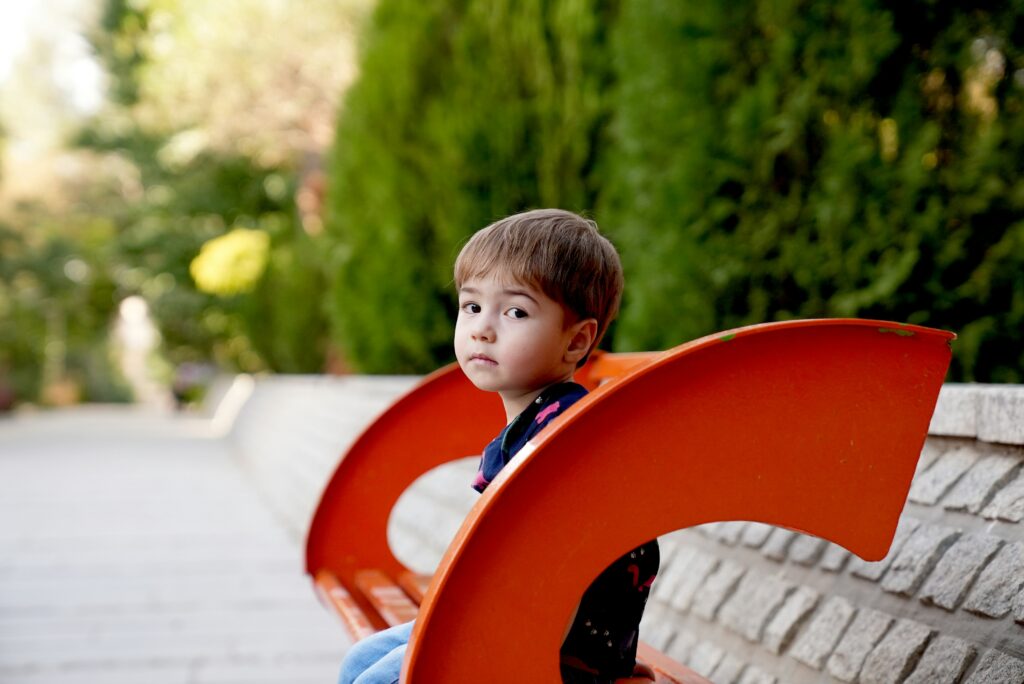

It starts with small things: a sore tummy, missing the bus, tears at drop-off.
Then one day, your child won’t go at all.
If you’ve found yourself in the thick of school refusal, you’re not alone — and you’re not a “bad parent.” School refusal is often a sign of distress, not defiance.
What Is School Refusal?
School refusal is when a child or teen becomes so anxious or overwhelmed that they can’t attend school — even if they want to learn. It’s not about being lazy or difficult. It’s about something feeling too much.
Some common signs include:
- Crying or panic in the mornings
- Frequent physical complaints (like headaches or nausea)
- Big meltdowns or shutdowns at school drop-off
- Refusing to leave the house on school days
- Relief or calm as soon as staying home is allowed
School refusal is usually driven by anxiety — not disobedience.
Why It Happens
There are lots of possible reasons behind school refusal. Some of the most common include:
- Separation anxiety: Fear of leaving a parent or caregiver
- Social anxiety: Worries about fitting in, friendships, or being judged
- Learning differences or ADHD: School feels harder, or too fast
- Bullying or peer conflict: School doesn’t feel emotionally safe
- Autism or sensory needs: The school environment feels too loud, bright, or unpredictable
- Trauma or family stress: Home changes make school feel unsafe by comparison
Sometimes the trigger is clear. Other times, it’s a slow build of many small things.
What Not to Do
It’s natural to feel frustrated, scared, or even helpless when your child refuses school. But some common reactions can make it worse:
- Forcing or shaming them into going
- Punishing missed days
- Dismissing their fears (“You’ll be fine — just go”)
- Avoiding the issue and hoping it passes on its own
These reactions often increase anxiety — or teach your child that their distress isn’t valid.
What Can Help
1. Listen Without Fixing
Create space for your child to talk. Ask open questions:
“What part of school feels hardest right now?”
“What does your body feel like when we talk about it?”
Stay curious, not corrective.
2. Validate the Emotion
You don’t have to agree to validate. Try:
“That sounds really hard.”
“I can see how worried you are.”
Validation helps nervous systems feel safer.
3. Work With, Not Against, the School
Talk to your child’s teacher, wellbeing staff, or school psychologist. Ask for flexible support — a shorter day, a check-in person, or a quiet space.
Collaboration is key.
4. Involve a Psychologist
A child psychologist can help uncover what’s driving the fear, and build a step-by-step plan to support re-entry.
Therapy gives your child tools — and gives you guidance too.
Final Thought
School refusal isn’t about attention-seeking or poor parenting. It’s a signal — that something inside your child needs attention and care.
With the right support, most kids can return to school feeling more understood, more confident, and less alone.