$60.50
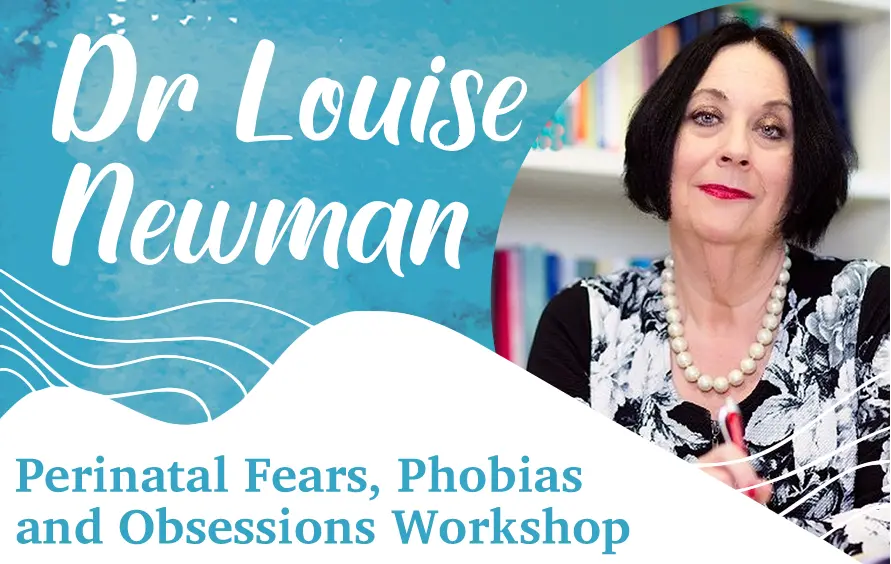
Perinatal fears, phobias and obsessions refer to anxiety-related conditions that occur during pregnancy and the postpartum period. These may include intrusive thoughts about harm coming to the baby, fear of childbirth (tokophobia), health anxiety, contamination fears, and symptoms of perinatal obsessive-compulsive disorder (OCD). These experiences are common in perinatal anxiety disorders and require specialised clinical understanding.
Intrusive thoughts during pregnancy and the postpartum period are extremely common, with many new parents experiencing unwanted thoughts about accidental or intentional harm. However, when these thoughts become persistent, distressing, and lead to compulsive behaviours or avoidance, they may indicate perinatal OCD. Research suggests that perinatal OCD affects a significant proportion of new mothers and can also affect fathers and non-birthing parents.
This course is designed for psychologists, psychiatrists, GPs, social workers, counsellors, midwives, maternal and child health nurses, and other health professionals working with pregnant or postpartum clients. It is particularly relevant for clinicians seeking advanced training in perinatal anxiety, OCD, trauma, and attachment-related concerns.
Participants will gain practical skills in:
Identifying perinatal anxiety disorders and OCD
Differentiating normal intrusive thoughts from clinical risk
Conducting risk assessments in the perinatal period
Providing evidence-based interventions
Supporting attachment and early parent-infant relationships
Managing shame and stigma related to intrusive thoughts
A careful clinical assessment distinguishes between ego-dystonic intrusive thoughts (which are unwanted and distressing) and genuine intent to harm. In perinatal OCD, thoughts are typically inconsistent with the parent’s values and accompanied by significant anxiety and avoidance. This course provides guidance on conducting nuanced risk assessments while reducing unnecessary alarm.
Evidence-based treatments for perinatal OCD and anxiety include Cognitive Behavioural Therapy (CBT), Exposure and Response Prevention (ERP), attachment-informed interventions, and trauma-informed care. Medication may also be appropriate in some cases, in consultation with medical professionals. The course explores therapeutic frameworks tailored to the perinatal context.
The perinatal period involves biological, psychological, and relational changes that require specialised understanding. Misinterpreting intrusive thoughts can lead to over-pathologising or underestimining risk. Specialised perinatal mental health training improves clinical confidence, supports better outcomes for parents and infants, and strengthens early attachment relationships.
Yes. The training is accessible to clinicians who are new to perinatal mental health as well as those seeking advanced knowledge in perinatal anxiety, fears, and obsessive-compulsive presentations. Foundational theory is integrated with practical case examples.
The course may contribute to CPD requirements for registered psychologists, social workers, and other allied health professionals. Participants should confirm eligibility with their relevant registration body. Always check course details for formal CPD accreditation information.
When perinatal anxiety, phobias, and obsessive fears are effectively treated, parents are better able to engage emotionally with their infant. Early intervention supports secure attachment, improves maternal confidence, and reduces long-term mental health risks for both parent and child.